Car Body Repair Techniques Explained
Posted on: 2025-10-01
By: Barry Ackerley
After a collision, understanding the extent of damage to your vehicle is crucial for effective repairs. Did you know that recognizing these signs early can save you time and money? Here’s what you’ll learn about crash damage and its implications from this comprehensive guide.
What You Will Learn
- Identifying common signs of front-end collision damage, including misaligned hoods and cracked headlights.
- Recognizing subtle indicators of damage that may affect vehicle handling and safety.
- Understanding the psychological impact of car accidents and the range of emotional responses that may follow.
- Utilizing interactive tools and resources to enhance your understanding of car body repairs and associated costs.
Common Types of Crash Damage and Indicators
Understanding the signs of crash damage can help in timely repairs and maintain vehicle integrity.

Front-End Collision Indicators
- Visible deformation of bumper or hood
- Cracked or shattered headlights
- Hood misalignment
Rear-End Collision Indicators
- Cracked tail lights
- Visible misalignment of trunk
- Unusual smells from the rear
Side Impact Indicators
- Dents along side panels
- Broken windows
- Misalignment of doors
Common Emotional Responses Post-Accident
- Shock and disbelief
- Fear and anxiety about safety
- Frustration and sadness
Understanding Different Types of Crash Damage
When dealing with car accidents, understanding the types of crash damage is vital for effective repairs. At Autoline Body Repair Specialists, we see countless vehicles come in with a range of damage, and knowing what to look for can make a significant difference in the repair process. Let's dive into the common types of crash damage and what they mean for your vehicle!
Our experience shows that recognizing the signs of damage early can save you both time and money. Whether it's a front-end collision or side-impact damage, each scenario requires different approaches when it comes to repair. Here's what you need to know about assessing the damage on your vehicle.
Recognizing Front Impact Damage and Its Effects
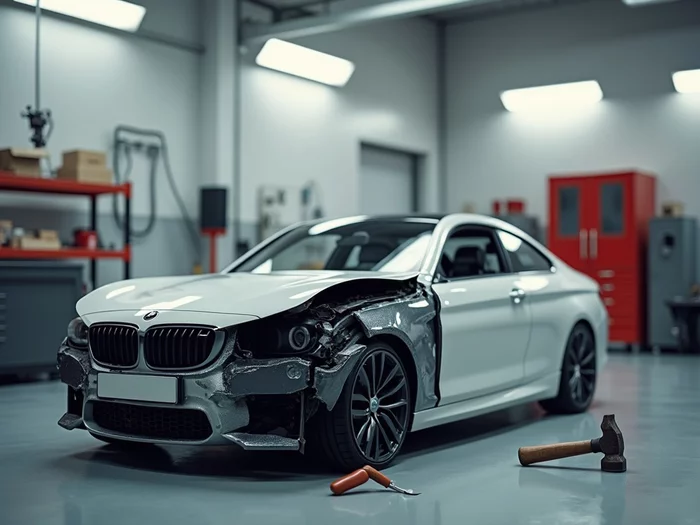
Front-end collisions are among the most common types of car accidents, and they can lead to various issues. A significant indicator of front impact damage is visible deformation of the bumper or hood. If you notice any crumpling or misalignment, it might indicate deeper structural issues.
- Cracked or shattered headlights
- Visible dents or scratches on the bumper
- Hood misalignment or difficulty opening/closing
These signs not only affect the aesthetics of your vehicle but can also impact its safety and performance. As an automotive enthusiast, I always advise customers to address these repairs promptly to maintain the integrity of their vehicle.
Common Indicators of Front-End Collision
In addition to the visible signs mentioned, you should also be aware of subtle indicators of front-end collision damage. For example, strange noises when steering or braking may suggest underlying structural issues.
- Unusual vibrations while driving
- Changes in steering feel
- Warning lights on the dashboard
It's crucial to have these symptoms assessed by a professional. At Autoline, we conduct thorough inspections to pinpoint any hidden damage and provide you with a detailed repair plan.
Potential Structural Issues to Consider
Structural integrity is paramount in vehicle safety. After a front-end collision, it’s vital to consider potential frame damage. If the frame is bent or compromised, repairs can be more complex. We utilize advanced equipment to assess the frame's condition and ensure it meets safety standards.
Neglecting these repairs can lead to further complications down the line, including alignment issues and increased wear on tires. Trusting your vehicle to an experienced team like ours ensures that you receive comprehensive care focused on quality and customer satisfaction.
Assessing Rear and Side Damage: What to Look For
Next, let's discuss rear and side damage. Rear-end collisions can also lead to significant issues that go beyond just a damaged bumper. The impact can cause both external and internal damage, which might not be visible at first glance.
- Cracked tail lights or broken rear panels
- Visible misalignment of the trunk or hatch
- Strange smells or noises from the rear
Being aware of these signs can help you act quickly. At Autoline, we take pride in our detailed assessments, ensuring no damage goes unnoticed.
Understanding the Implications of Rear-End Collisions
Rear-end collisions often result in not only cosmetic damage but also potential mechanical issues. For instance, a sudden impact can affect the vehicle's suspension system.
- Poor handling or stability while driving
- Delays in brake response
- Uneven tire wear over time
Addressing these issues promptly can prevent further complications, allowing you to drive with confidence.
Side Impact: Damage Assessment and Repair Needs
Side impacts present unique challenges. The damage may not always be obvious, but it can lead to severe safety concerns. Common indicators include:
- Dents or scratches along the side panels
- Broken windows or mirrors
- Misalignment of doors or difficulty in opening/closing
At Autoline, we prioritize a thorough evaluation of side damage, ensuring we get your car back to its optimal condition. Remember, your safety on the road is our top priority!
Pro Tip
Did you know? Regularly inspecting your vehicle for signs of crash damage can save you from more extensive repairs down the line. Look for misalignments in the body panels, unusual noises during driving, or warning lights on your dashboard. Addressing these issues early can preserve your vehicle's safety and performance.
Addressing the Emotional Impact of Car Accidents
Car accidents can leave not only physical damage to vehicles but also a significant emotional toll on those involved. As someone who has been in the automotive repair industry, I’ve seen firsthand how distressing these experiences can be for car owners. The aftermath of a crash often brings up feelings of anxiety, frustration, and even sadness. Understanding these psychological effects is vital for moving forward.
Common emotional responses can vary widely from person to person. Some might feel shock or disbelief right after the incident, while others may experience anger or guilt. It’s essential to recognize these feelings as part of the healing process. Don’t hesitate to talk about your feelings with friends, family, or professionals. Remember, you’re not alone in this.
Understanding the Psychological Effects of Crash Damage
After a collision, many individuals may experience lingering effects that impact their daily lives. Here are some common emotional responses post-accident:
- Shock and Disbelief: It may take time to process what happened.
- Fear and Anxiety: Concerns about driving again or the safety of their vehicle can emerge.
- Frustration: The hassle of getting repairs can add to stress levels.
- Sadness or Depression: Feelings of loss, especially if the car had sentimental value, may surface.
Recognizing these responses can help you address and manage them better. Seeking support from a professional can also provide valuable coping strategies.
Common Emotional Responses Post-Accident
In the wake of a crash, it’s natural for emotions to run high. You might feel a mix of relief that you are unharmed and anger at the situation. Understanding that these emotional responses are valid can help you navigate through them. Each person's experience is unique, and it’s important to allow yourself time to process.
When I speak with clients at Autoline Body Repair Specialists, I often encourage them to express their feelings about their accident and the repair process. Sharing these experiences can help in the healing journey, making it a bit easier to cope with the aftermath.
How to Seek Support After a Collision
Finding support is crucial after experiencing a car accident. Here are some ways to seek help:
- Talk to Friends and Family: Share your feelings and fears with loved ones.
- Join Support Groups: Connecting with others who have had similar experiences can be helpful.
- Consult a Professional: Therapists can offer strategies to manage anxiety and stress.
- Engage in Self-Care: Activities like exercise or hobbies can improve your mood.
Remember, it's perfectly okay to ask for help. Taking care of your emotional well-being is just as important as ensuring your vehicle is repaired properly.
Enhancing Your Knowledge and Resources for Future Repairs
Knowledge is power, especially when it comes to car body repairs. At Autoline, we believe in empowering our clients with the right resources. Understanding how repairs work can boost your confidence and prepare you for any future incidents.
Utilizing interactive tools and resources helps demystify the repair process, giving you a clearer picture of what to expect. Here are some tools you may find helpful:
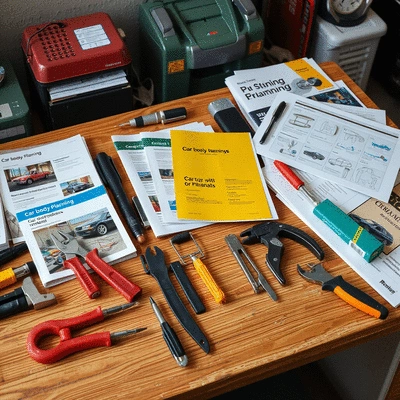
Interactive Tools for Car Body Repair Planning
By taking advantage of online tools, you can streamline your understanding of potential repairs and costs. Consider the following:
- Cost Estimators: Use these tools to get a ballpark figure on repair expenses.
- Repair Checklists: Handy lists can guide your inspection process and highlight essential steps.
- Video Tutorials: Visual learning via tutorials can clarify complex repair techniques.
- Expert Guidance: Seek advice from professionals like us at Autoline to enhance your knowledge.
Having these tools at your disposal can significantly ease the process of managing repairs when the need arises.
Utilizing Cost Estimators and Repair Checklists
Cost estimators are invaluable for anticipating what you might spend on repairs. They can provide a rough idea based on the type of damage. Additionally, repair checklists ensure you don't overlook critical steps during the assessment. At Autoline, we often provide personalized checklists to assist our clients!
Using these resources not only prepares you better but also helps you communicate effectively with your repair shop. Understanding your vehicle’s needs can lead to more informed decisions, ensuring a smoother repair journey.
Accessing Video Tutorials and Expert Guidance on Repair Techniques
Video tutorials are a fantastic resource for anyone looking to understand car body repairs better. They often illustrate step-by-step processes that make learning easier. At Autoline Body Repair Specialists, we’ve curated a collection of expert guides that cover everything from basic scratch repairs to more complex techniques.
Remember, if you're ever uncertain about a procedure, reaching out for expert guidance is always a wise choice. We’re here to help you along the way, whether you’re a DIY enthusiast or simply looking to understand the repair landscape better.
Recap of Key Points
Here is a quick recap of the important points discussed in the article:
- Recognizing front impact damage is crucial for timely repairs, including checking for hood misalignment and cracked headlights.
- Be aware of subtle signs of damage, such as unusual vibrations and warning lights, which may indicate deeper issues.
- Structural integrity must be assessed post-collision to avoid complications like alignment issues and tire wear.
- Rear-end and side impacts can lead to both external and internal damage, requiring thorough inspections to identify all issues.
- Understanding the emotional impact of accidents is important; seek support from friends, family, or professionals to cope effectively.
- Utilize interactive tools like cost estimators and repair checklists to streamline the repair process and enhance understanding.
FAQs
- What are the common signs of front-end collision damage? Visible deformation of the bumper or hood, cracked or shattered headlights, and hood misalignment are key indicators.
- How can I recognize subtle indicators of vehicle damage? Look out for unusual vibrations while driving, changes in steering feel, and warning lights on the dashboard.
- What emotional responses are common after a car accident? Feelings of shock, disbelief, fear, anxiety, frustration, and sadness are all typical emotional responses following a collision.
- What resources can help me understand car body repairs? Interactive tools such as cost estimators, repair checklists, video tutorials, and expert guidance can enhance your understanding of car body repairs.
- Why is it important to seek support after an accident? Seeking support can help you process your emotions, cope with anxiety and stress, and ultimately assist in your healing journey.
 As you embark on the exciting journey of custom painting your vehicle, consider this: the right choi
 Have you ever considered how much your vehicle reflects your personality? Customization isn't just a
 After a collision, understanding the extent of damage to your vehicle is crucial for effective repai